


Views: 0 Author: Site Editor Publish Time: 2026-09-10 Origin: Site


Coastal construction faces undeniable harsh realities. Building envelopes constantly endure escalating wind loads and extreme cyclic pressure changes. They also battle relentless salt-air corrosion daily. A compromised exterior envelope often triggers catastrophic structural failures. For example, sudden wind pressurization can cause devastating roof uplift, ruining an entire property in minutes. Property developers must shift their focus away from generic impact glass. Instead, you need to examine the specific engineering advantages of premium aluminum framing. Combining this rigid metal with a casement, or crank-out, operating style delivers unmatched protection. This article details how these engineered systems mitigate critical structural risks. You will discover exactly how they satisfy the most stringent coastal building codes. Furthermore, we will explore how investing in them generates measurable long-term returns for property owners and builders.
Aerodynamic Sealing: Casement windows inherently seal tighter under positive wind pressure compared to sliding or hung windows.
Material Rigidity: Thermally broken, heavy-duty aluminum extrusions prevent sash deflection under severe Design Pressure (DP) loads.
Glazing Technology: Laminated impact glass (using PVB or SGP interlayers) acts as a sacrificial barrier, keeping the building envelope pressurized even if the outer pane shatters.
Compliance & ROI: Specifying Miami-Dade NOA or FBC-approved systems ensures regulatory compliance and often significantly lowers property insurance premiums.
Coastal homes and commercial structures face immense threats during hurricane season. Understanding the core pressurization effect is absolutely critical. If flying debris breaches a standard glass pane, hurricane-force winds violently rush inside the building. This sudden breach causes internal air pressure to skyrocket instantly. The trapped, high-velocity air pushes upward against the roof trusses and outward against the structural walls. Eventually, this severe imbalance risks total roof detachment and catastrophic wall collapse. Keeping the envelope completely sealed is a massive life-safety issue.
We must also clearly differentiate between water intrusion and wind load. Resisting flying debris represents only one part of the coastal equation. Severe storms bring sustained, wind-driven rain over many continuous hours. Standard sliding or double-hung windows often leak terribly under cyclic storm pressure. Preventing massive water damage requires highly dynamic sealing mechanisms. Therefore, your window specification is never just an aesthetic choice. You must treat it as a core structural investment. By keeping wind and water strictly outside, you actively protect the entire building skeleton from ruin.
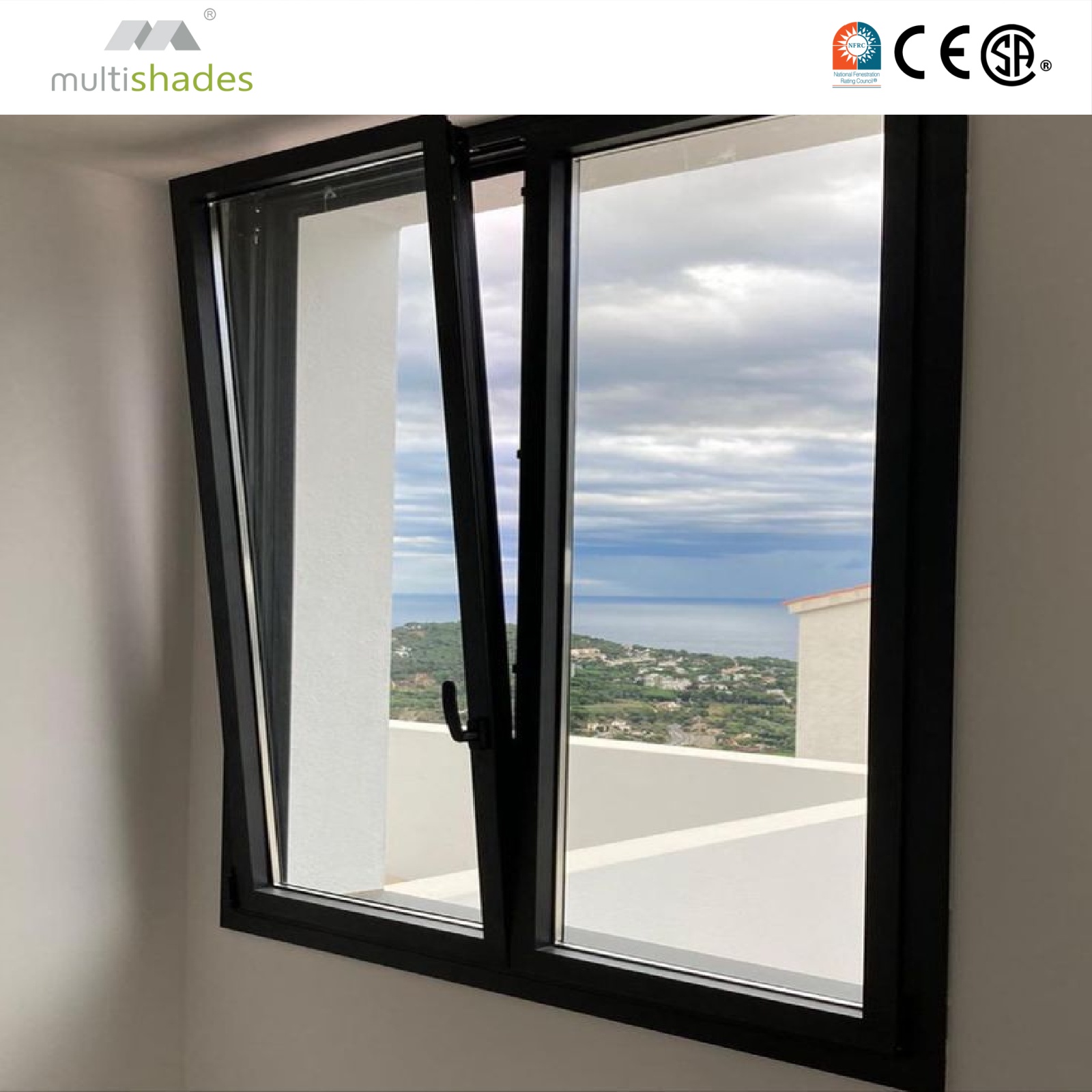
Let us examine the mechanical casement advantage. Basic physics plays a crucial role here. Most double-hung or sliding units rely on static weatherstripping. They can easily rattle, shift, or flex inward during severe storms. An outward-opening casement sash behaves entirely differently. When positive exterior wind pressure hits the glass, it pushes the closed sash directly against the internal weatherstripping. This physical action dynamically improves the air and water seal. The harder the storm winds blow, the tighter the unit seals itself.
Material choice matters just as much as the operating style. Aluminum significantly limits the dangerous bowing and deflection seen in lesser frames. Vinyl and wood simply cannot match this metallic stiffness under heavy wind loads. Excessive frame deflection often causes impact glass blowouts. We must also debunk the classic myth claiming aluminum rusts in coastal areas. Modern marine-grade anodized finishes resist saltwater corrosion beautifully. AAMA 2605 powder-coated finishes also offer exceptional durability near the ocean. Therefore, an engineered Anti hurricane aluminum casement window represents the absolute standard for high-exposure elevations. Choosing premium Aluminum Casement Windows ensures your property remains highly protected during peak storm seasons.
When evaluating storm protection systems, you need to verify several core technical dimensions closely.
Glass technology directly determines impact survival. Manufacturers typically use PVB (Polyvinyl Butyral) or SGP (SentryGlas Plus) interlayers. PVB is very common and effective for standard impact zones. However, SGP is remarkably stiffer and noticeably clearer. SGP stands as the preferred choice for high-velocity hurricane zones (HVHZ). It miraculously remains rigid even after the outer glass layers shatter completely. This unique trait keeps the building envelope perfectly intact during intense cyclic wind loads.
Feature | Polyvinyl Butyral | SentryGlas Plus |
|---|---|---|
Material Stiffness | Flexible upon impact | Extremely rigid |
Post-Breakage Strength | Prone to sagging over time | Maintains upright structural integrity |
Visual Clarity | Slightly cloudy over thick layers | High clarity and less yellowing |
HVHZ Suitability | Acceptable for moderate zones | Highly recommended for severe zones |
Assess the specific wall thickness of the aluminum profile. Thin metallic walls fail quickly under extreme stress. Thick, multi-chambered aluminum extrusions provide the necessary structural backbone. You should also explicitly look for polyamide thermal breaks. Historically, standard aluminum performed quite poorly regarding energy efficiency. Advanced thermal breaks solve this traditional flaw entirely. They use reinforced polymer strips to stop heat transfer completely without sacrificing any structural integrity.
A perfectly tight seal requires heavy-duty locking mechanisms. Stainless steel multi-point locks are strictly non-negotiable for coastal regions. These complex locks secure the sash at several places simultaneously along the frame. This smart design distributes extreme wind loads evenly across the entire unit. It effectively prevents any single latch point from taking all the stress. Distributing the force avoids dangerous mechanical failure.
Selecting the right product requires understanding complex coastal building codes thoroughly.
You will frequently encounter DP (Design Pressure) ratings in product literature. We calculate DP ratings by rigorously evaluating several critical performance factors. A higher DP rating signifies a significantly stronger, more resilient product overall. The primary testing phases typically evaluate these exact metrics:
Structural wind load simulation and physical deflection measurement.
Wind-driven rain testing to measure water penetration limits.
Cyclic pressure tests focusing strictly on air infiltration volumes.
Miami-Dade NOA (Notice of Acceptance) and the Florida Building Code (FBC) represent the highest industry benchmarks. These demanding certifications require rigorous laboratory conditions. For example, testers fire a nine-pound timber from an air cannon at the glass. If a product lacks this large-missile impact testing documentation, it is not genuinely hurricane-resistant.
Clarifying industry terminology remains highly essential. Consumers often confuse "impact" and "hurricane" marketing labels. "Impact" strictly refers to resisting initial flying debris. "Hurricane" firmly implies passing severe cyclic wind pressure tests after the initial impact occurs. You need robust products that pass both rigorous tests seamlessly.
Even the absolute strongest commercial windows fail if installed improperly.
Substrate anchoring represents the most critical installation phase. You must use highly appropriate structural bucking for every opening. Fastener spacing must strictly follow engineered shop drawings without exception. Substrate compatibility largely dictates your hardware choices. Installing heavy frames into a concrete block differs vastly from a standard wood-frame opening.
You must strictly avoid galvanic corrosion at all costs. This destructive chemical reaction happens when you mix dissimilar metals in salt-air environments. For example, never use non-stainless carbon steel fasteners to anchor raw aluminum frames. The aggressive saltwater will trigger rapid corrosion immediately. This ultimately destroys the anchor point completely.
Consider these vital best practices during any coastal installation:
Apply premium marine-grade silicone sealants to all exterior perimeter joints.
Verify precise fastener edge distances, especially in hollow concrete substrates.
Inspect the bottom window sill to ensure proper drainage and clear weeping holes.
Always utilize grade 316 stainless steel screws for maximum corrosion resistance.
Acknowledge difficult supply chain realities early in the planning phase. Custom-extruded, certified hurricane systems usually require extended manufacturing time. Architects and builders must plan project phasing accurately. Accurate scheduling effectively helps avoid costly construction delays.
Choosing a truly reliable supplier heavily ensures long-term project success.
Demand specific vendor evaluation criteria upfront before signing contracts. Always ask for site-specific engineering documents tailored to your building. Look deeply for transparent warranty terms covering direct salt-water exposure. Many generic brands void warranties if installed near the ocean. You should also firmly request documented independent laboratory test reports.
Balance your upfront capital expenditure against long-term property benefits. High-quality engineered systems offer incredible lifetime value. They require significantly reduced seasonal maintenance. Furthermore, installing certified hurricane protection often secures substantial insurance premium discounts. Insurers reward property owners who proactively mitigate severe storm risks.
Take an actionable next step today. Consult a licensed structural engineer or a specialized glazier immediately. They can calculate the exact DP requirements based on your specific property location and elevation. Getting this foundational math right guarantees ultimate structural safety for decades.
Protecting vulnerable coastal buildings requires treating windows as active structural components. They are never merely passive environmental barriers. Upgrading your building envelope demands careful engineering analysis and high-quality construction materials.
The powerful combination of material rigidity and aerodynamic design matters immensely. Sturdy aluminum provides the necessary fundamental strength to resist severe bending. The casement’s dynamic compression-seal design offers unparalleled protection against violent cyclical storm forces. Together, they create an impenetrable barrier against harsh coastal weather.
Keep these actionable next steps in mind as you move forward. First, strictly verify local building code requirements before selecting any products. Second, strongly prioritize systems featuring rigid SGP interlayers and advanced thermal breaks. Finally, only hire certified coastal installers who thoroughly understand galvanic corrosion risks. Following these steps aggressively secures your coastal investment for many years.
A: Yes, routine rinsing of salt residue and lubrication of stainless steel hinges/crank mechanisms is required to maintain warranties.
A: Yes, when engineered with thermal breaks and low-E insulated impact glass, they meet strict energy codes.
A: No. True hurricane protection relies on a specifically engineered system of frame depth, specialized glazing tape, and laminated glass interlayers tested as a single unit.


