


Views: 0 Author: Site Editor Publish Time: 2026-09-09 Origin: Site


Architects and builders have long faced a difficult compromise in building design. Traditional aluminum frames offer unmatched structural integrity and slim sightlines. However, they also act as highly efficient thermal conductors. This physical trait directly causes massive energy loss in commercial and residential structures.
Modern engineering now bridges this frustrating gap. A Thermally Broken Aluminum Casement Window solves the primary flaws of traditional metal fenestration. It allows buildings to meet strict modern energy codes. You no longer have to sacrifice long-term durability or beautiful, narrow sightlines to achieve efficiency.
We created this article to provide developers, architects, and property owners a clear evaluation framework. You need objective data to make informed purchasing decisions. We will explore the exact performance metrics, return on investment factors, and implementation realities. You will learn how these systems work in the real world and what to avoid during procurement.
Thermal Isolation: A structural polyamide strut interrupts conductive heat transfer, drastically lowering U-values and reducing HVAC loads.
Condensation Eradication: By keeping the interior metal at room temperature, thermal breaks eliminate interior frosting and moisture-related structural damage.
Synergy of Design: Combining a thermal break with a casement operating style (which uses compression seals) yields superior airtightness compared to sliding variants.
Long-Term ROI: Despite a 15–30% higher initial material cost compared to standard aluminum, the investment is rapidly offset by energy savings and compliance with stringent building codes.
You cannot ignore the basic physics of metal. Traditional aluminum profiles act as direct thermal bridges. Heat always moves toward colder spaces. In winter, an unbroken aluminum frame pulls expensive indoor heat outside. In summer, the exact opposite happens. The frame absorbs intense solar radiation and conducts it directly into your air-conditioned rooms.
Manufacturers solve this using a reinforced polyamide solution. The factory process physically separates the interior and exterior aluminum extrusions. They insert an engineered thermal break between the two metal halves. This break consists of strong, fiberglass-reinforced polyamide strips. The machine rolls and mechanically locks the metal around these strips. Polyamide acts as an intense insulator. It forcefully halts the thermal transfer across the frame.
Many developers initially worry about structural integrity. Adding a plastic-like strip seems like a weakness. You do not need to worry. Modern polyamide struts are highly engineered structural components. The mechanical lock holds the inner and outer frames perfectly rigid. The window easily handles intense wind load resistance. It maintains the exact same structural spanning capabilities as solid aluminum. You get the strength of metal alongside the insulation of wood or vinyl.
Feature | Traditional Aluminum | Thermally Broken Aluminum |
|---|---|---|
Thermal Conductivity | Extremely High | Extremely Low |
Structural Spanning | Excellent | Excellent |
Winter Heat Loss | Severe | Minimal |
Internal Condensation | Frequent | Prevented |
Thermal breaks dramatically improve your overall window U-values. The U-value measures how much heat escapes your building. Lower numbers mean better insulation. Standard aluminum frames drag down the performance of high-quality glass. A thermally broken frame allows double or triple glazing to perform at its peak. You also see improvements in the Solar Heat Gain Coefficient (SHGC). This keeps buildings cooler during intense summer months.
Reducing thermal transmittance directly affects your mechanical systems. Lower heat transfer translates to lower peak loads. Commercial and residential HVAC systems do not have to work as hard. You can often specify smaller, less expensive HVAC units for new builds. Over time, the equipment cycles less frequently. This reduces wear and tear on expensive cooling infrastructure.
Condensation ruins interior finishes. It occurs due to the dew point factor. When warm, humid indoor air hits a cold unbroken metal frame, water droplets form instantly. Thermal breaks prevent the interior frame from dropping below the room's dew point. The interior aluminum stays at room temperature regardless of freezing outdoor conditions.
Moisture control provides massive secondary benefits. Dry frames prevent dangerous mold growth around window sills. Mold threatens tenant health and invites legal liability. A dry frame also protects your interior drywall and expensive wood finishes. You minimize routine maintenance. Painters do not have to constantly repair peeling paint or water-damaged plaster around the window reveals.
Urban environments generate intense noise pollution. Traffic, construction, and sirens easily penetrate standard windows. The polyamide strip provides a surprising secondary benefit. It stops heat transfer, but it also disrupts sound wave vibration.
Sound travels well through solid metal. Breaking the metal path severely weakens the acoustic vibration. You will notice measurable improvements in Sound Transmission Class (STC) ratings. Installing these frames in city apartments or office buildings creates distinctly quieter indoor spaces.
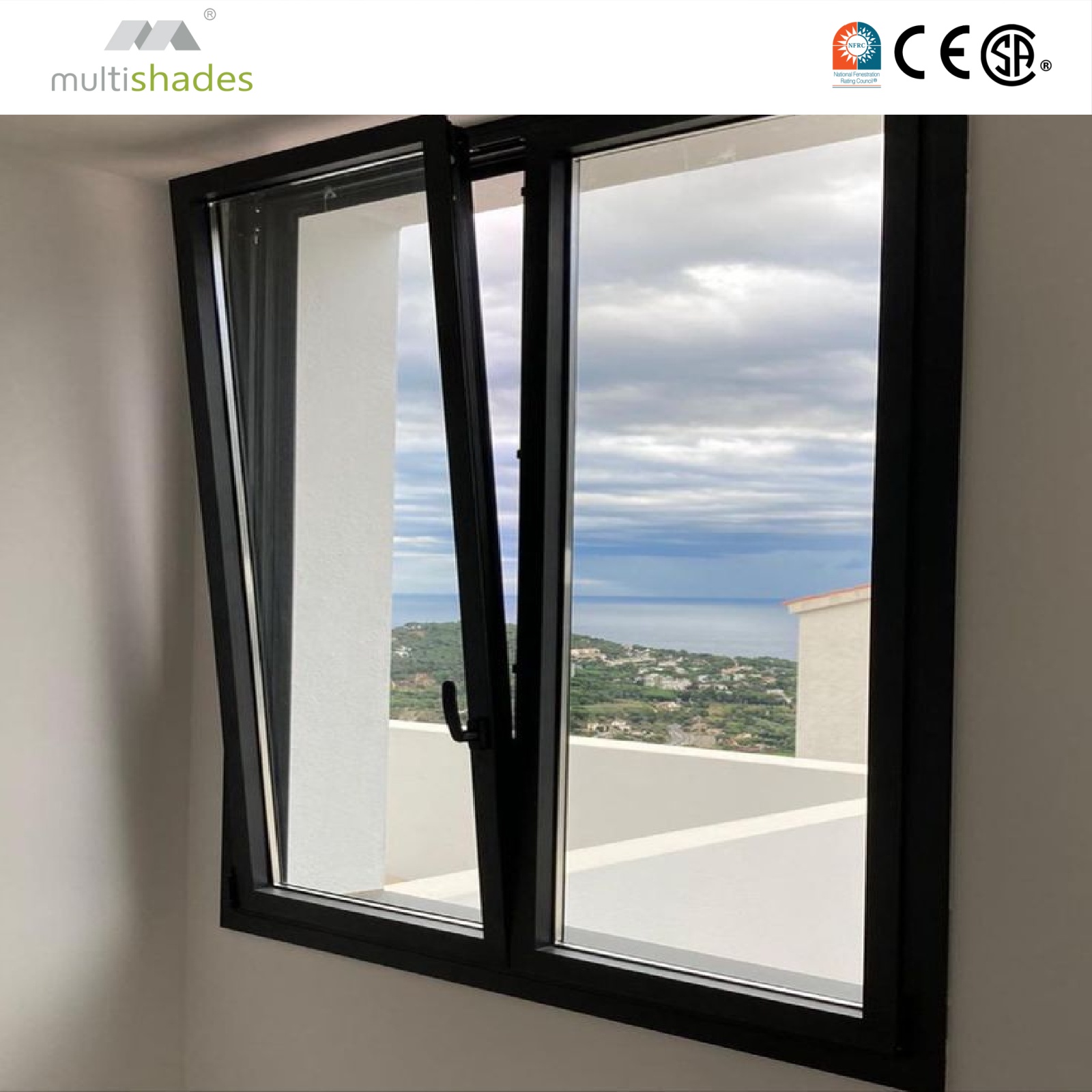
The operating style of a window heavily dictates its true efficiency. You must pair a high-performance frame with a high-performance sash mechanism. Casement designs maximize the benefits of the thermal break through unique engineering principles.
Consider compression sealing. Casement windows operate on side hinges. When you turn the handle to lock them, the mechanism pulls the sash tightly inward. The sash presses firmly against weatherstripping on all four sides. We contrast this sharply against sliding windows. Sliders rely on brush seals to allow side-to-side movement. Brush seals simply cannot block air as effectively as a crushed rubber gasket.
This compression creates superior airtightness. Aluminum Casement Windows effectively eliminate insidious air infiltration. The thermally broken frame stops conductive heat loss. The compression seal stops convective heat loss. They work together. This synergy maximizes the energy-saving potential of the entire fenestration unit.
Casements also offer superior ventilation control. They open outward into the exterior space. This design creates a natural scoop for air. The open sash catches passing breezes and directs them straight into the building. You can actively support passive cooling strategies. Let us look at a few ventilation advantages:
Directional airflow: You can angle the sash to capture parallel winds.
Full egress: The entire window area opens, unlike sliders which only open halfway.
Rapid flush cooling: You can quickly purge warm indoor air during cool summer evenings.
We must provide a transparent acknowledgment regarding capital expenditure. A thermally broken aluminum window requires a higher initial investment. You should expect upfront premiums of 15% to 30% compared to uPVC or standard non-broken aluminum. The sophisticated manufacturing process and imported polyamide components drive this price increase. However, focusing solely on the sticker price misguides the investment.
You must evaluate lifecycle costing to see the actual financial case. You recover the initial premium relatively quickly. Localized energy costs play a huge role. High heating or cooling markets yield faster returns. You also save capital on reduced HVAC maintenance. Furthermore, premium fenestration directly increases property valuation. Buyers and commercial tenants willingly pay a premium for energy-efficient, quiet, and condensation-free spaces.
Regulatory compliance acts as the strongest financial driver. Building codes grow stricter every year. Non-thermally broken aluminum is rapidly becoming obsolete. California’s Title 24, passive house standards, and LEED certification programs strictly limit acceptable U-values. Specifying standard aluminum often causes new builds to fail energy inspections. Upgrading to a thermal break is no longer an optional luxury. It represents a strict regulatory necessity for future-proofing your real estate assets.
Buying high-performance windows introduces distinct implementation risks. Not all products deliver the promised performance. You must vet your suppliers rigorously. Focus heavily on material verification during the bidding process.
We strongly warn against cheap polyurethane "pour and debridge" methods. Some manufacturers pour liquid resin into a channel and cut the metal away later. This older method often shrinks or cracks over time. You must advise your architects to specify fiberglass-reinforced polyamide strips. Polyamide expands and contracts at the exact same rate as aluminum. It guarantees long-term thermal cycling stability.
You must also verify hardware tolerances. Heavy double or triple-glazed sashes weigh significantly more than single panes. A thermally broken frame easily holds the glass, but the hinges take the daily abuse.
Specify heavy-duty stainless steel friction hinges.
Require multi-point locking systems to prevent the sash from warping or sagging over time.
Demand cycle-testing reports for the operating hardware.
Finally, respect the installation realities. The world's best window fails if installed poorly. The window's thermal performance is instantly voided if the rough opening lacks proper preparation. Installers must properly flash, insulate, and seal the perimeter gap. Spray foam and high-grade silicone are mandatory. We strongly recommend requiring manufacturer-certified installers to protect your investment and warranty.
Thermally broken aluminum casement windows are not just a luxury upgrade. They stand as a foundational requirement for sustainable, low-maintenance building envelopes. They resolve the ancient conflict between metal's durability and its poor insulation. You gain unparalleled energy efficiency, eliminate internal condensation, and improve acoustic comfort in one move.
Your immediate next step requires diligence during procurement. Do not rely on marketing brochures alone. Advise your purchasing team to request detailed cross-sectional drawings. Demand official U-value test reports from the NFRC or equivalent testing bodies. Finally, secure comprehensive hardware warranties from your shortlisted manufacturers before signing the final contract.
A: These windows offer exceptional durability, typically lasting 30 to 40+ years. The extruded aluminum and polyamide struts resist harsh weather easily. They perform much better than vinyl or uPVC, which can degrade, warp, or discolor under intense UV exposure over time.
A: Yes. The rigid aluminum extrusions and structural polyamide breaks provide immense load-bearing capacity. They easily support the heavy weight of triple-glazed glass units. This combination further reduces U-values and significantly boosts the window's acoustic and thermal performance.
A: You should request a cross-sectional corner sample from the manufacturer. Look for a distinct visual separation between the inner and outer metal frames. This gap is bridged by a hard, often black, plastic-like strip (polyamide). Alternatively, always check the NFRC label for verified thermal ratings.
A: Each material serves different needs. Aluminum offers much slimmer sightlines, larger maximum pane sizes, and superior structural strength for commercial buildings. While uPVC is generally cheaper upfront and provides good insulation, it degrades faster under high UV exposure and lacks metal's modern aesthetic.


